Construction of the railway
The construction of a railway will disrupt some people’s lives. For instance, the Durham County Advertiser, in 1825, reported upon Court sessions. The story recounted someone who found a railway cutting impeded access to their house. Consequently, the householder wanted the Stockton and Darlington Railway company to install a bridge. As a result, they took the company to court. However, the court’s decision is not known.
There was a wedding of an engine builder, presumably an employee of S&DR, a month before the opening day. The Durham County Advertiser reported on the festivities. Railway workers celebrated the happy couple with bells and guns firing.
Construction of Skerne Bridge
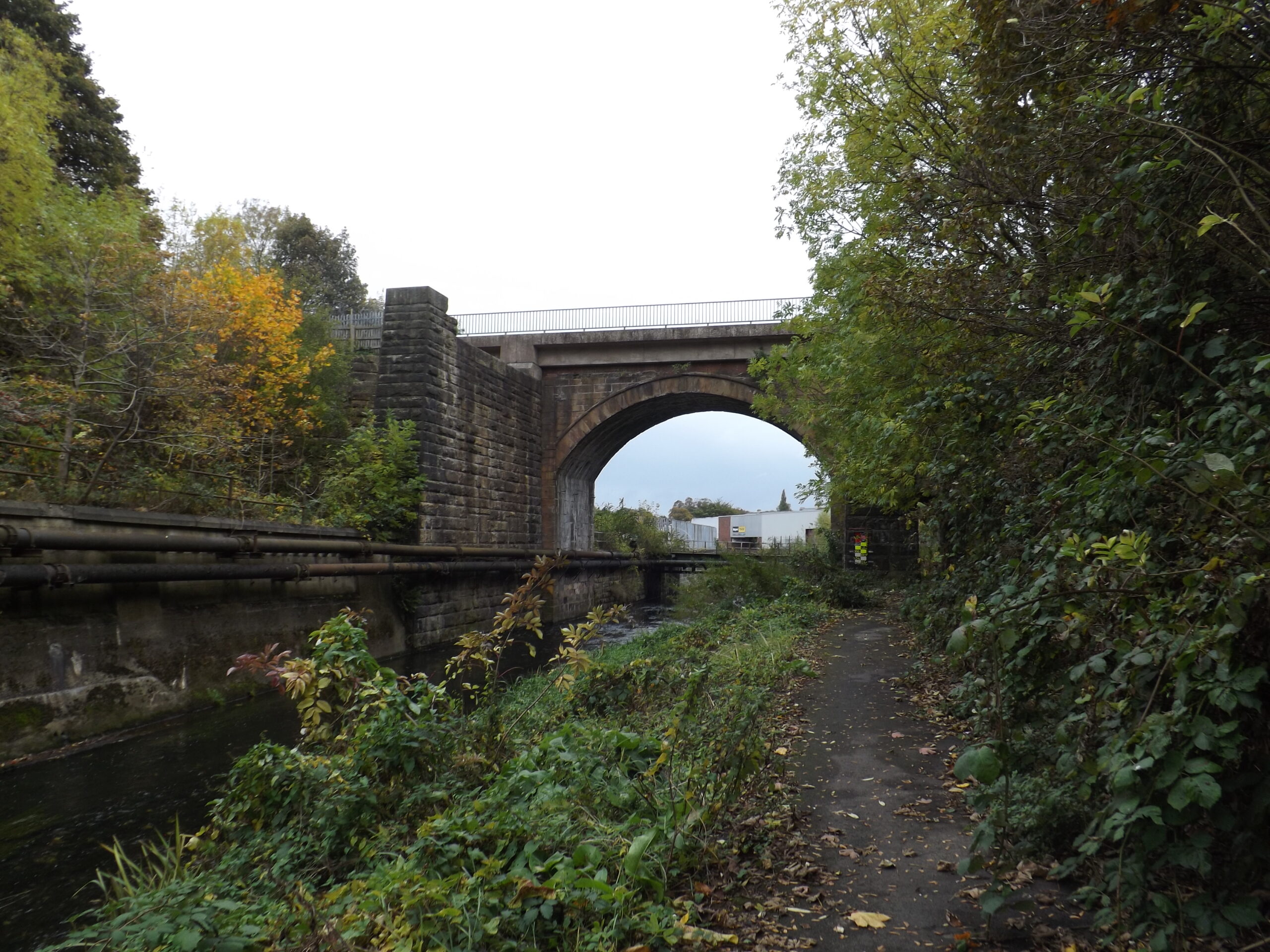
The initial track required four bridges, each one worthy of mention. However, the Skerne bridge remains the world’s oldest railway bridge still in use. Designed by Ignatius Bonomi, the Royal Mint incorporated the bridge into the artwork of the modern George Stephenson £5 note.
The railway company put out various building work for tender during the construction. For example, an advert in the Durham Chronicle listed one of these tenders. The railway needed a contractor to build the stone walk for the bridge over the River Skerne. Francis Peacock of Yarm applied, and, as a result, the railway company awarded the contract to him.
Landscaping was a part of the railway build. Thus, a Tyne Mercury advertisement reveals that the Stockton and Darlington Railway Company tendered for 200,000 hedgerow plants, known as “quicks”.
Commentary
Only sometimes thought about, but a large project like building a railway will involve skilled journeymen coming into the area. Like today, the project would also affect local businesses. The examples above show a search for a local stonemason and a local supplier for landscaping. The local economy would also benefit from having an influx of labourers during the work.
Acknowledgements
- Edgepedia, CC BY-SA 4.0, via Wikimedia Commons
- Engineering Timelines Stockton & Darlington Railway